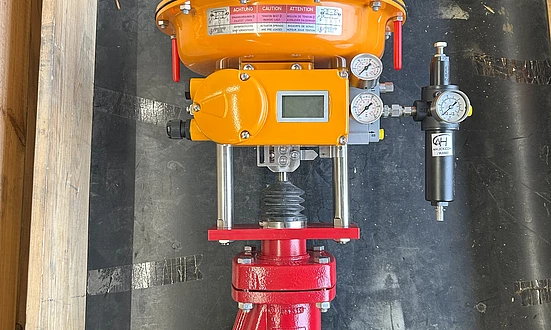
When it comes to dosing concentrated hydrochloric acid, standard solutions quickly reach their limits. For a leading manufacturer of specialty chemicals, A. Hock, in collaboration with Richter RSS, provided a solution tailored to the demands of a challenging HCl process: PFA-lined control valves for high corrosion resistance, reliable sealing, and precise control. At the same time, the specifications of TA-Luft and the explosion protection requirements of ATEX had to be met.
Reference project
PFA-Lined Control Valves for HCl Processes | Reference
Handling the Corrosive Medium Hydrochloric Acid – The Technical Challenges
Hydrochloric acid (HCl) is one of the most corrosive chemicals used in industrial applications. Especially at a concentration of 32% and temperatures up to 60 °C, all components in contact with the medium are subjected to extreme stress. In addition, dosing in fine chemical processes must be extremely precise, as even minor deviations can affect product quality.
The plant’s operating conditions also placed high demands on the solution used. Standard solutions made of stainless steel or with simple linings were out of the question. What was required was a combination of high corrosion resistance, permanent tightness, and stable control performance.
This resulted in four key requirements:
-
High corrosion resistance: Concentrated hydrochloric acid severely attacks metallic valve components
-
Minimized permeation and emissions: A suitable, antistatic lining was required to comply with the TA-Luft
-
Precise control despite increased operating torques: Lined valves place special demands on the actuator and positioner
-
Safe design for the Ex zone: The entire solution had to meet the requirements of the defined ATEX zone
The Solution
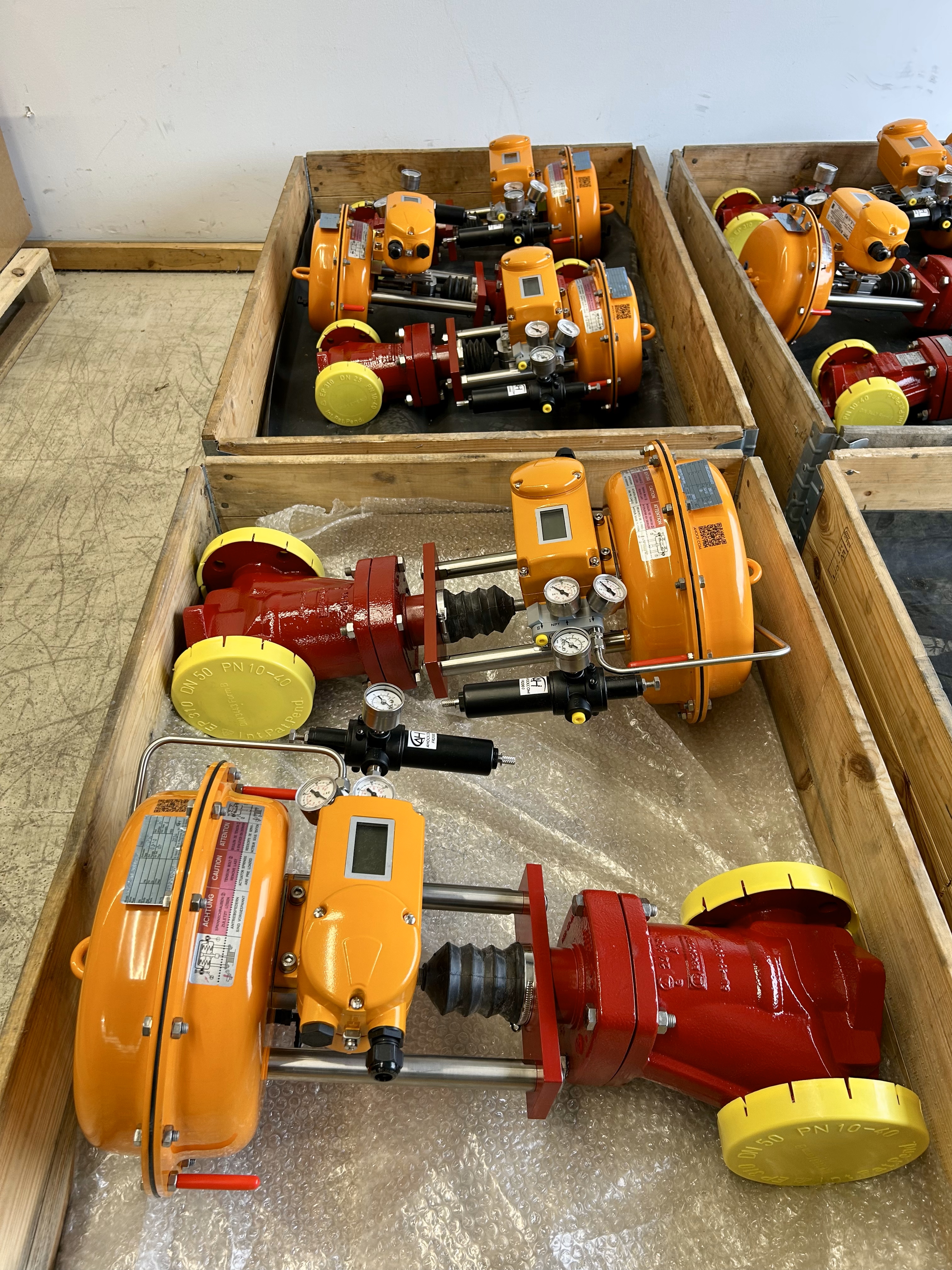
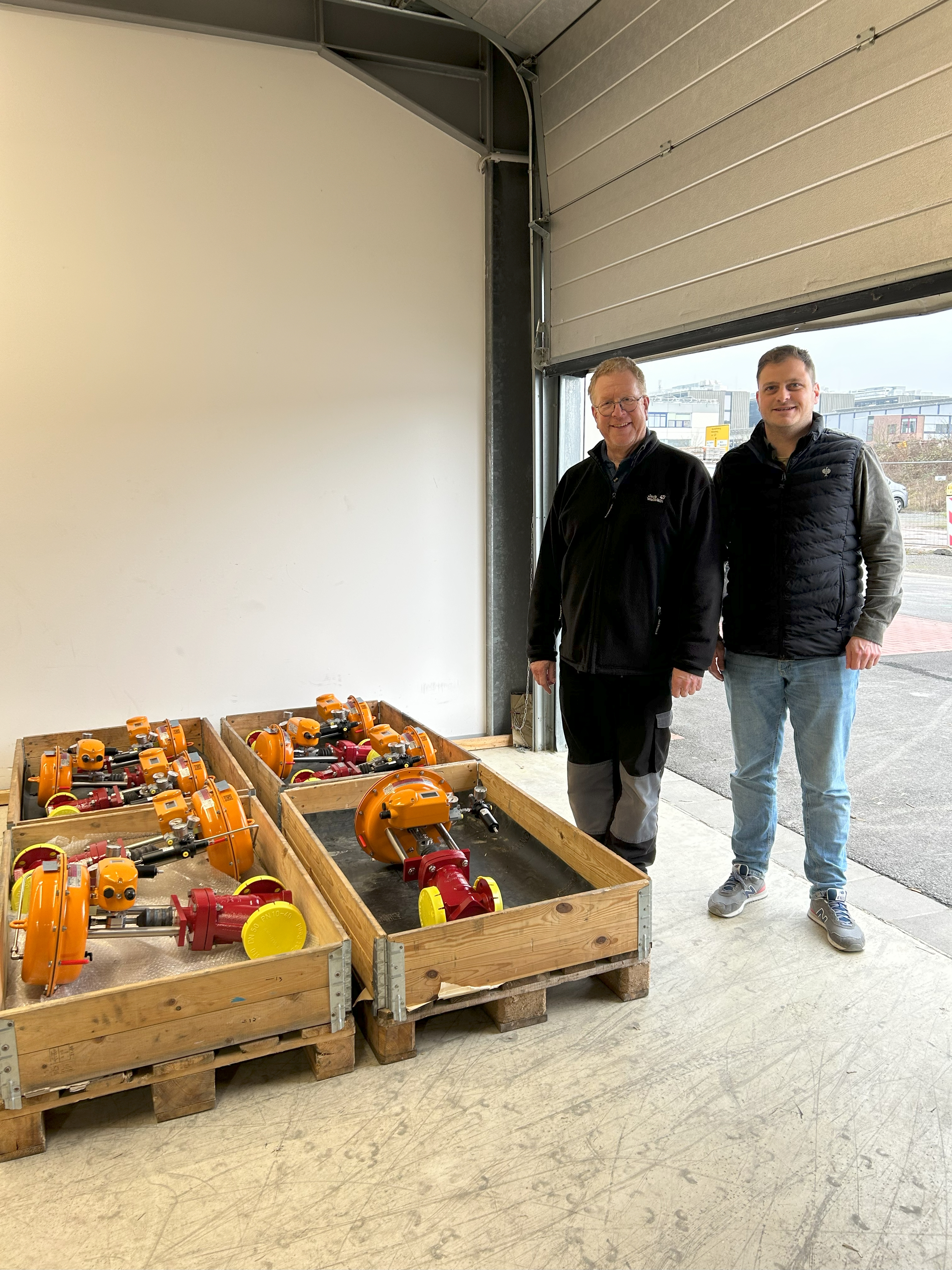
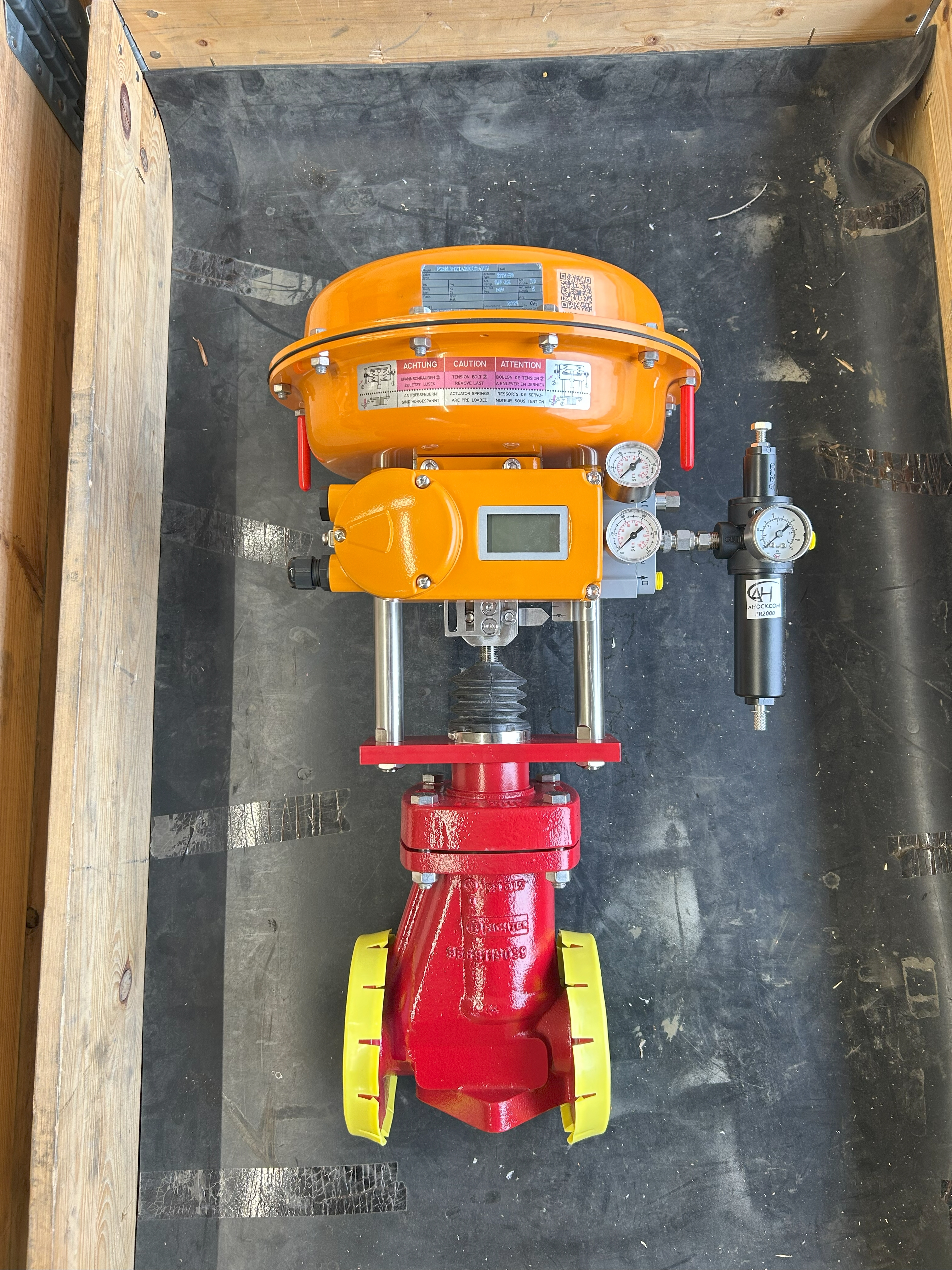
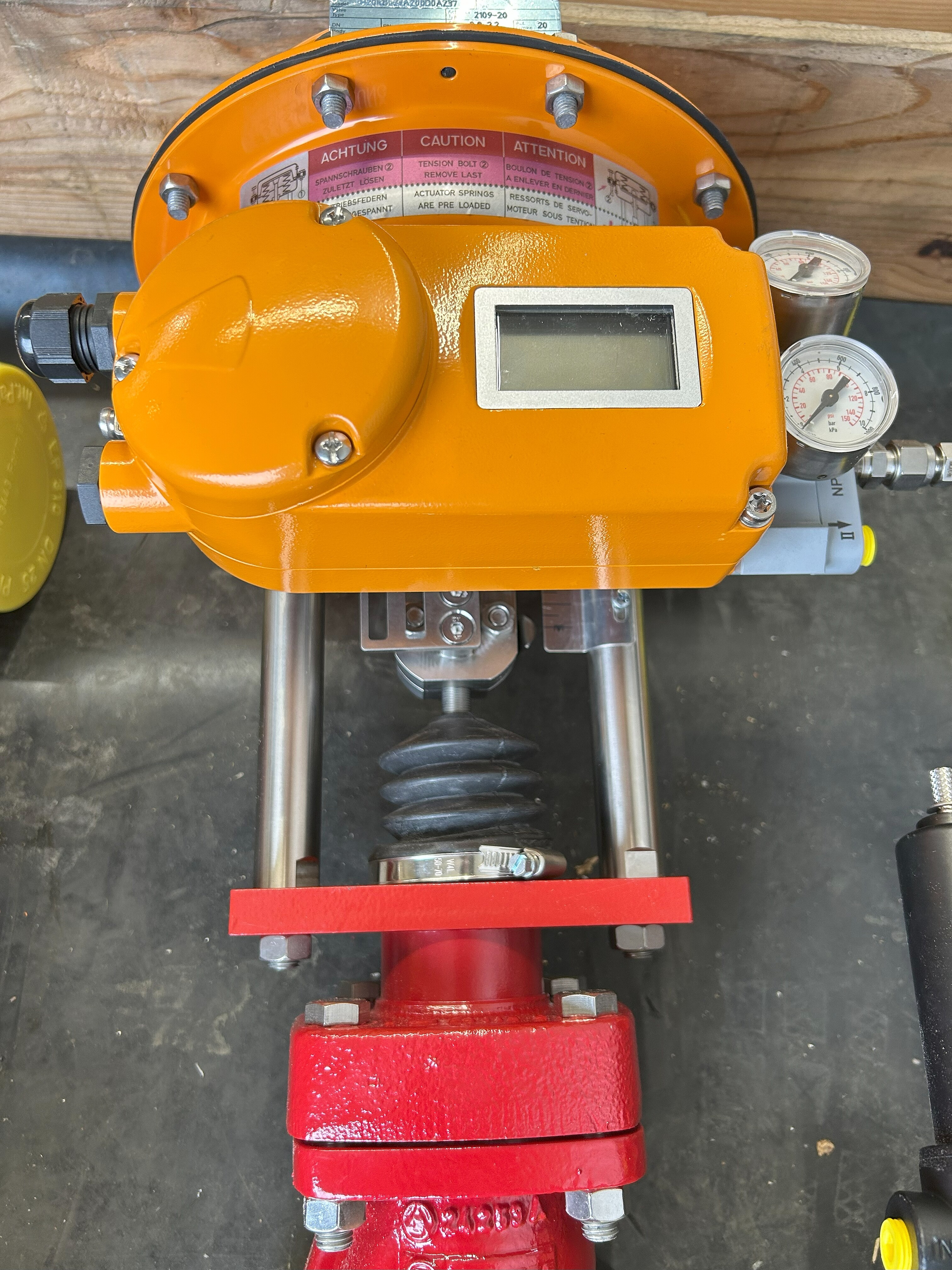
In collaboration with Richter RSS, A. Hock developed a custom solution for the HCl application. Nine bellows-sealed control valves from the Richter RSS series with antistatic PFA-L lining in a thickness of 5 to 6 mm were used. In addition, six two-way control valves from the A. Hock Series 2000 were used for other control tasks in the process.
All valves were equipped with pneumatic actuators and Foxboro SRD998 positioners. This ensured precise and stable control even under demanding conditions. The scope of delivery also included complete factory acceptance tests, leak tests, material certificates, and documentation regarding TA-Luft and ATEX.
The Result
Since commissioning, the valves have operated emission-free, trouble-free, and with excellent control performance. The maintenance-free design helps reduce downtime and maintenance costs. The customer confirmed a significant improvement in process stability and is already planning to use additional lined valves from A. Hock in similar applications.
Technical Specifications at a Glance
| Fluid | Hydrochloric acid (32%) |
| Process temperature | up to 60°C |
| Valve type | Richter RSS, bellows-sealed, PFA-lined |
| Supplementary valves | A. Hock Serie 2000, DN 25–100, PN 16–40 |
| Lining | Antistatic PFA-L, 5–6 mm |
| Actuator | Pneumatic |
| Positioner | Foxboro SRD998 |
| Ex-Zone | ATEX Zone 2 |
| Emission limit | < 1 × 10⁻⁴ mbar × l/s (TA-Luft compliant) |
| Certificates | Factory acceptance, leak test, ATEX, TA-Luft |
Side Note: Why HCl Places Special Demands on Valves
Hydrochloric acid is a particularly demanding medium for valve technology. It severely corrodes many metallic materials and places high demands on leak tightness, controllability, and material resistance. In addition, fluoropolymer-lined components must also be tailored to the application in order to minimize permeation and ensure reliable long-term operation.
HCl applications therefore require solutions that combine chemical resistance, emission safety, and precise control. PFA-lined, bellows-sealed control valves provide the best foundation for this.